Diagnose sales and marketing performance before deciding what to change
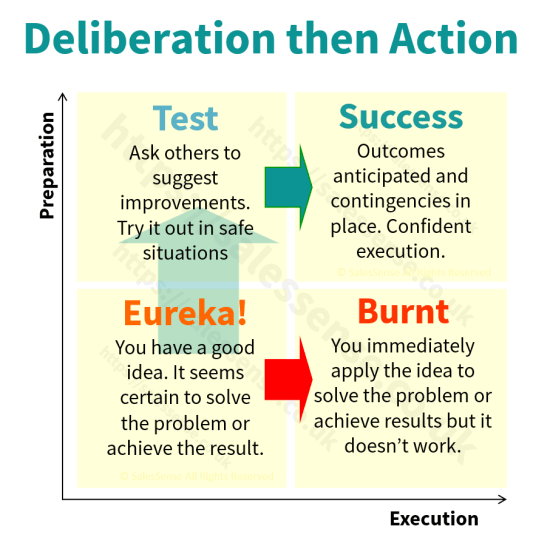
Business performance problems are often symptoms, not root causes. A shortfall in sales results might be caused by weak positioning, inconsistent process, poor sales and marketing alignment, unclear accountability, weak management practice, or gaps in skill and knowledge.
These business assessment tools help you examine the systems, methods, and people that influence sales and marketing performance. Use them to challenge assumptions, reveal improvement opportunities, and decide where action is most likely to make a measurable difference.
You can complete the assessments yourself, or ask SalesSense to facilitate the review and provide an independent report with prioritised recommendations.
Three Levels of Business Performance
Sales and marketing performance depends on three connected levels: organisation, methods, and people. Improvement is most effective when all three are considered together.
1. Organisation
Structure, ownership, accountability, governance, and coordination between functions.
2. Methods
Planning, process, qualification, forecasting, campaign management, and execution discipline.
3. People
Skills, knowledge, management capability, coaching, confidence, and consistency of practice.
When to Use These Business Assessment Tools
These tools are useful when you need a clearer view of what is helping or hindering performance.
- Sales results have plateaued or become unpredictable.
- Marketing activity is not producing enough qualified opportunities.
- Sales and marketing teams are working in parallel rather than together.
- Forecasts are unreliable or opportunities stall without clear reasons.
- Managers spend too much time reacting to problems.
- Growth has exposed inconsistencies in the sales process or customer handling.
- You are preparing a new plan and want to test it against good practice.
- You want evidence before investing in training, recruitment, systems, or consultancy.
Individual Business Assessment Tools
Sales Organisation and Operation Assessment
Best for: reviewing the structure, governance, process, and management practices that support sales performance.
This assessment helps identify strengths, weaknesses, gaps, and improvement opportunities in the way sales activity is organised and managed.
Use it to examine:
- sales process and opportunity management
- forecasting and pipeline review practices
- management routines and accountability
- sales policies, procedures, and operating standards
- how consistently people follow agreed methods
Outcome: a clearer view of operational priorities and practical ways to improve sales effectiveness.
Marketing Plan Assessment
Best for: reviewing the breadth, quality, and commercial usefulness of your marketing plan.
This assessment helps evaluate whether marketing activity is sufficiently focused, measurable, and aligned with sales priorities.
Use it to examine:
- market focus and segmentation
- proposition and positioning
- lead generation and campaign planning
- measurement and performance review
- support for sales conversations and opportunity creation
Outcome: a practical view of marketing planning gaps and opportunities to improve lead quality, customer engagement, and sales support.
Sales and Marketing Alignment Assessment
Best for: identifying friction, duplication, weak handovers, and missed opportunities between sales and marketing.
Modern buyers often research, compare, and shortlist suppliers before speaking with salespeople. That makes alignment between sales and marketing essential.
Use it to examine:
- shared definitions of target customers and qualified opportunities
- handover between marketing and sales
- content and messaging used during the buying process
- feedback loops between sales conversations and marketing activity
- joint planning, measurement, and accountability
Outcome: better cooperation, clearer priorities, and more effective influence across the customer buying process.
DIY Assessment or Facilitated Review?
You can use the tools yourself for free, or ask SalesSense to facilitate a more detailed review.
| DIY Assessment | Facilitated Review |
|---|---|
| Free and self-directed | Consultant-led and structured |
| Useful for initial reflection | Useful when change needs evidence and momentum |
| Based on internal judgement | Adds external perspective and challenge |
| Highlights possible improvement areas | Produces a prioritised report and recommendations |
| Good before planning or team discussion | Good before investment in training, systems, recruitment, or enablement |
In a facilitated review, we interview nominated staff, examine current sales and marketing practices, compare findings with commonly established good practice, and identify practical opportunities for improvement.
Business Assessment Tools FAQs
What is a business assessment tool?
A business assessment tool is a structured way to review current practice, compare it with good practice, and identify improvement opportunities. In sales and marketing, assessment tools help examine organisation, process, planning, management, alignment, and capability.
Why use an assessment before deciding what to change?
Without assessment, businesses often act on symptoms rather than causes. A diagnostic review helps reveal whether performance issues are caused by strategy, structure, process, management, skills, tools, or coordination between functions.
What is the difference between a business assessment and a sales assessment?
A sales assessment usually focuses on sales capability, process, management, or individual competence. A business assessment takes a broader view of the organisational and operational factors that influence commercial performance.
Can I complete these assessments myself?
Yes. The tools are designed for self-assessment and internal review. They can also be used as preparation for planning sessions, management meetings, or facilitated reviews.
When is a facilitated review better than DIY assessment?
A facilitated review is useful when you need an independent view, want to involve several stakeholders, or need a prioritised report before investing in training, systems, recruitment, or wider sales enablement.
How often should we review sales and marketing performance?
A formal review is useful at least annually, and more often when results are changing, growth has stalled, market conditions have shifted, or new sales and marketing plans are being prepared.
Start with Diagnosis
Most businesses already have untapped performance potential. The challenge is identifying where improvement will produce the greatest effect.
Use these assessment tools to reveal priorities, challenge assumptions, and make better decisions before committing time, money, or effort to the wrong solution.
If you are starting a business, need to fix problems, are considering a course correction, or want to renew momentum, our free business assessment tools provide answers. For additional help, call +44 (0)1392 851500, send an email, or use the contact form here.